
The Dunwiches
"Not much is known about the Dunwich family. Nor should there be."

The Ravenverse I am building is the story of two families, intertwined by fate, bound by forces unseen and unknowable. Forces untouchable, even by the silent gods who watch over our mortal plane.
One of these two is the Dunwiches. The other? It’s the Nightingales.
****
The history of the Dunwich family is inseparably entwined with the history of Lake Black Hollow — or perhaps it is more accurate to say the former presides over the latter.
In 1822, a man named Obadiah Dunwich, along with a ragtag band of Puritan throwbacks from Plymouth, Massachusetts, began a pilgrimage southward to a modest island in the centre of Lake Moultrie. (Yes, yes, I’m well aware that Lake Moultrie wasn’t formed until the 1940s in our timeline.) They claimed they were following a call from a higher being known only as Yog.
The land they settled on was sour and the soil was mean. No tribes had lived there, no animals lingered long. But Dunwich and his followers were not deterred.
They stayed. They planted. They prayed to Yog. In return, It gave them strength, they claimed. It gave them harvest, they also claimed. At first, their community grew organically, like any other good-willing theocratic settlement. Quiet life, it was.
Then, in 1892, came the storm.
A hurricane of unprecedented fury swept across the lowlands, severing the land and flooding the basin. Lakes Moultrie and Marion became one monstrous expanse of dark water — what would later be known as Black Hollow. Many drowned. More fled. Those who remained huddled together on what little land was left of the island, clinging to each other like barnacles cling to ships.
They rebuilt with timber, stone, and with flesh too. Cousins took cousins. Siblings bore children. Over time, their bloodlines blurred into one circle. Incest, to be frank. But they didn’t call it that. To the Dunwiches, it was simply the will of Yog.
From that moment forward, they cut themselves off entirely from the outside world. Shoreline villages, which had begun to reform in the decades after the flood, were treated with suspicion or outright hostility. Trade was rare, visitors were not allowed. More importantly, all records about them were lost. By the 20th century, the Dunwiches had vanished from census rolls completely. To the federal government, they didn’t exist. That, of course, was convenient.
In the early 1950s, the government, seeking a remote and sparsely populated area, designated Lake Black Hollow as a nuclear waste disposal site. Shoreline communities were swiftly evacuated, but the Dunwich family — the unlisted, unknown, unreachable lot — were left oblivious. When the waters began to glow faintly green at night, they saw Yog’s blessing rather than a radioactive curse. Mutated insects swelling grotesquely to the size of a tennis ball, became a staple food source. And at meals, they gave thanks to Yog still, whose supposed generosity masked their slow, inexorable deterioration.
Their bodies began to change: subtly at first, then monstrously. Years of unchecked radiation exposure, compounded by generations of familial interbreeding, took their inevitable toll. Each generation weaker than the last. Some were born with no eyes, others with too many. Some were just a big red blob that could cry. Soon, the Dunwiches birthed only to bury. By the 1980s, the bloodline had all but failed. Yet still, they endured, barely, like one swab of moss on an old, crumbling wall.
And then, in 1990, came the child.
Zachary Conrad Dunwich
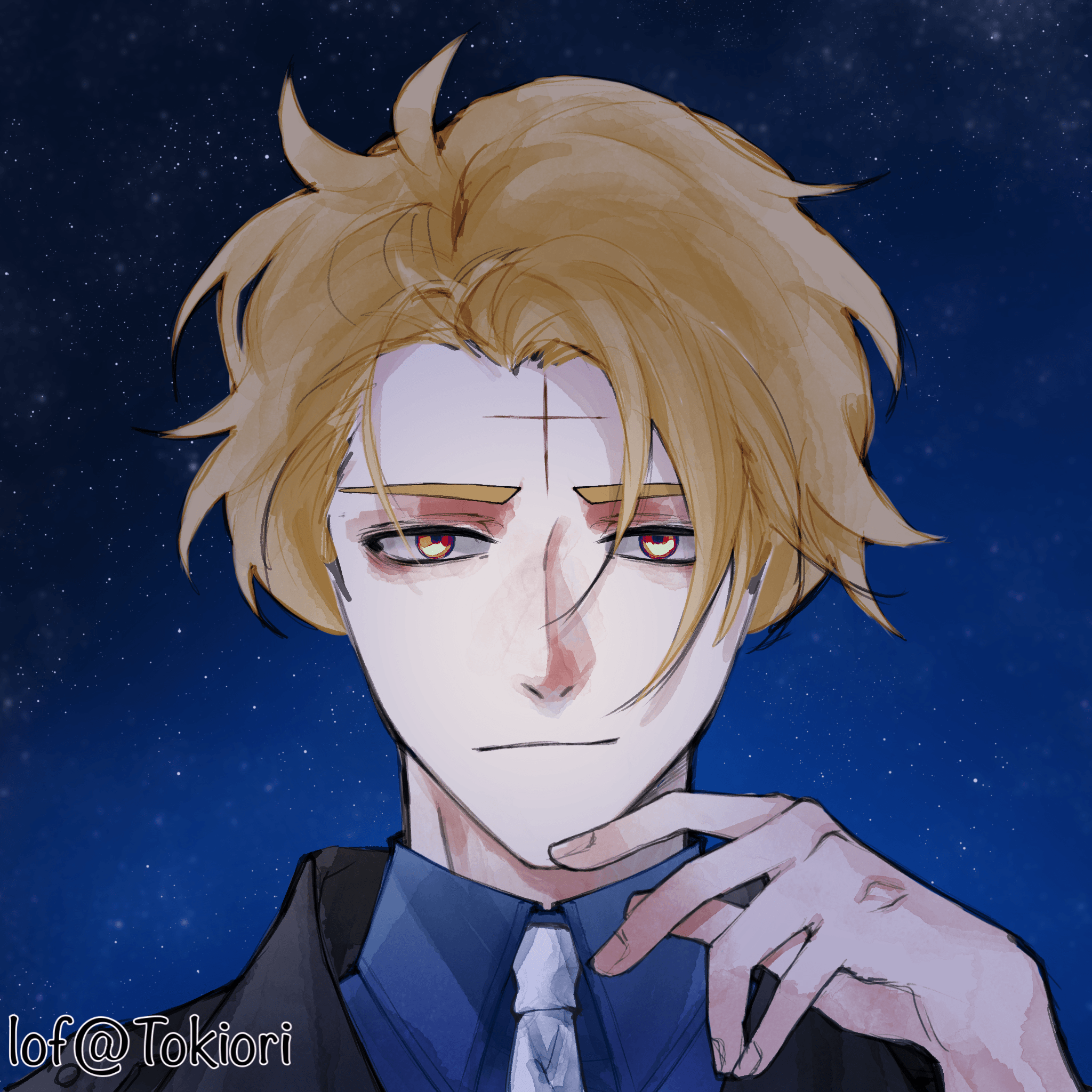
Zachary was born whole without any deformity, to Ezekiel Dunwich and Adelaide Dunwich. He was beautiful, by their standards. Mayhap was he a perfect vessel. The last true Dunwich.
When Ezekiel — his father, or perhaps his grandfather, it hardly mattered — died foaming at the mouth beside the muddy shore, the remaining women turned their eyes to Zachary. They watched him grow. They fed him well. They praised his health. And as he reached adolescence, somewhere between eleven and twelve, they began to check him, they checked to see if his “fruit” was ripe for “harvesting”. It happened frequently, intimately, and obsessively.
“You are the one who will carry us forward…” — they whispered to his ears in a way no aunts should to their nephew.
“You are the blood come great again.”
“You are what Yog promised.”
And in the silence of that island, where time thickened like fog and languages mixed unrecognisably, Zachary began to believe them.
Well, he quite liked the praise. He quite liked the weight of purpose.
He told himself that. And perhaps, it was what it meant, what it felt like, to be chosen.
****
At thirty, Zachary is the founder and chief executive officer of Dunwich Borers LLC., one of the most controversial and rapidly growing geological enterprises in the American Southwest. Headquartered in Nevada but funded through a labyrinth of offshore trusts and old mineral rights, Dunwich Borers is, on paper, an excavation firm. In practice, it is a power broker in raw earth, selling access to lithium veins, rare minerals, and whisper-level government contracts.
The man himself is elusive, publicly charming indeed, but privately unrecorded. He rarely grants interviews. When he does, he speaks softly, with a cultivated East Coast lilt that masks the South Carolina drawl lurking beneath. His suits are bespoke — London-cut, charcoal wool, always three buttons — and his hands are often gloved, even in the heat. Some say it's a sensitivity to sunlight. He does not remove them in public.
When asked about his upbringing, Zachary is always brief.
“I was born near the lake…” — He says.
“My parents were... eccentric.” — He doesn’t elaborate.
Super Sold. Love the verse, super engaged. Happy to see someone working on a similar project. You have gained yourself a long-term fan!